The Christmas Eve Box, Minus the Mountain: Three Small Things That Make the Night
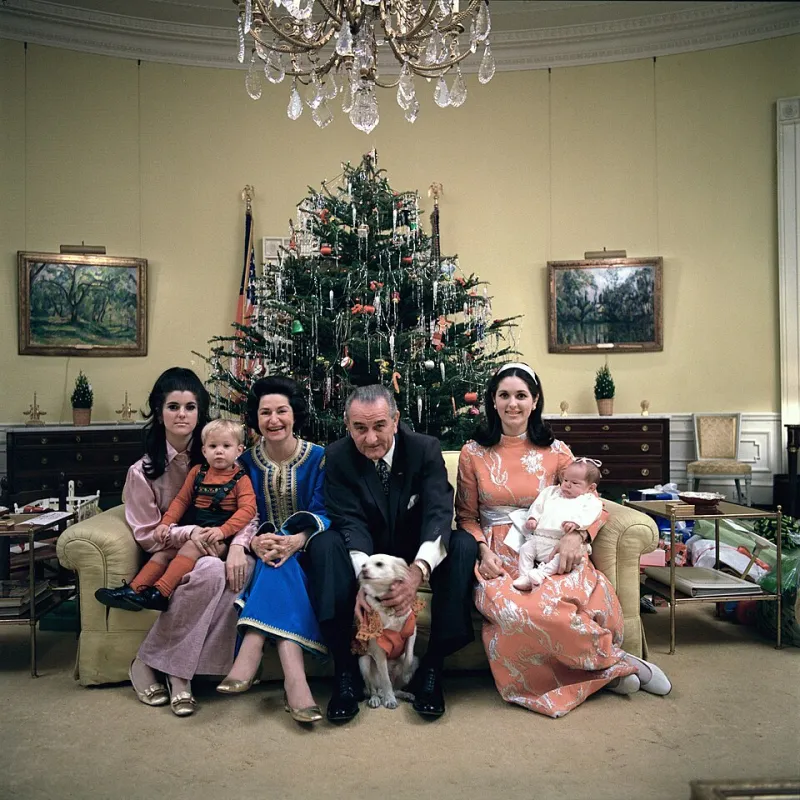
Photo: Frank Wolfe, Public domain, via Wikimedia Commons
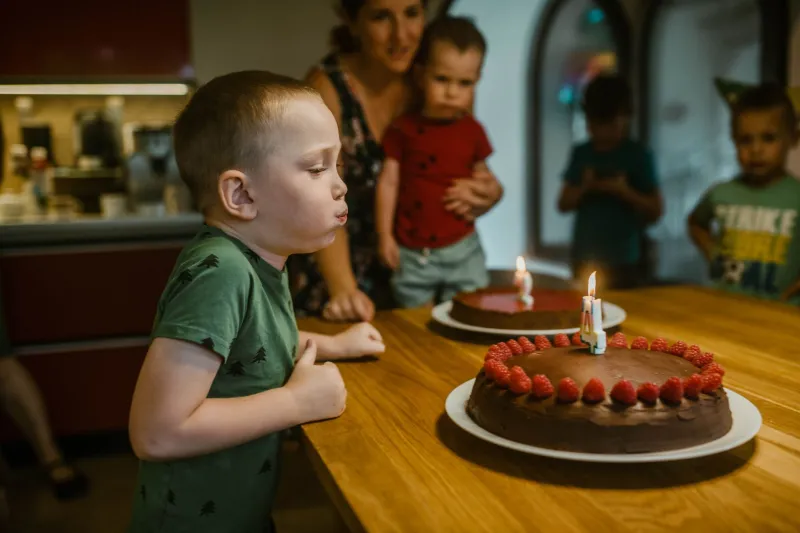
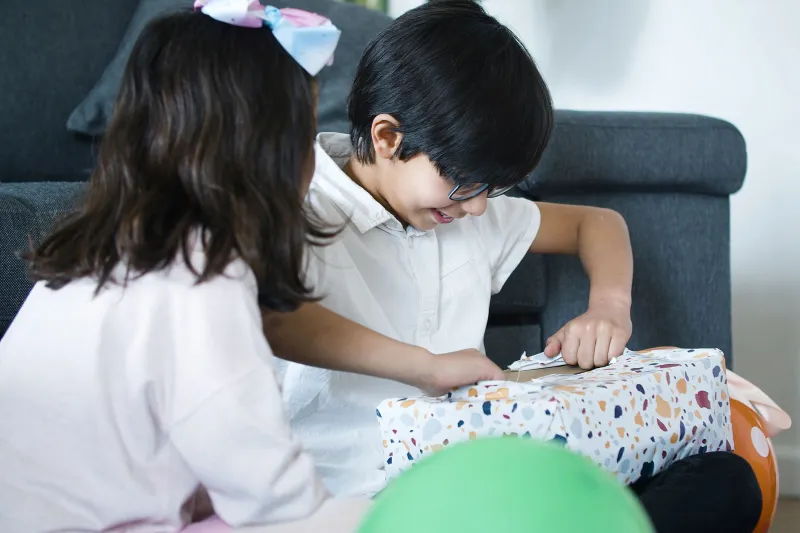
There’s a particular kind of magic in a Christmas Eve box. The house is already humming, the fridge is full, and bedtime is wobbling somewhere between excitement and exhaustion. A small box that arrives at exactly that moment can feel like a lovely breath in the middle of the mayhem — a signal that the waiting is nearly over.
But it can also become a second Christmas morning, just shifted by twelve hours. A box stuffed with plastic novelties, a dozen tiny toys and matching accessories can leave parents wrapping until midnight and children overwhelmed by breakfast. By Boxing Day, half of it is under the sofa and the other half is in the bin bag. That’s not really a tradition. That’s a delivery.
This year, try a smaller idea: a Christmas Eve box that is mostly about the ritual, not the contents. One box your family brings out year after year. Three little things inside. And a bit of breathing room around the whole thing.
The box itself should earn its keep
Start with the container. A sturdy cardboard box with a lid is fine. A wicker basket from a charity shop is even better. A fabric sack that folds flat in January is brilliant if you have limited storage. The point is that it comes out every December, gets a little worn, and becomes part of the furniture of your family Christmas.
Let children decorate it if they like — stickers, a name label, a drawing of the dog wearing a Santa hat. The less precious it is, the more likely it is to survive. A reusable box is also a quiet anti-excess statement: we are not buying a new festive container every year. We are bringing out the one we already love.
One to keep, one to make, one to share
The simplest formula we’ve found is this: one thing to keep, one thing to make, one thing to share. It keeps the box from turning into a lucky dip and gives each item a job.
One to keep is usually a book. A Christmas Eve book is the closest thing to a guaranteed hit: it slows everyone down, it can be read in pyjamas, and it lasts for years. It doesn’t have to be new. A charity-shop copy of a festive classic, a board book for a toddler, or a chapter book for an older child all work. If you have several children, a family anthology can be shared aloud rather than bought individually. The keeping part matters: this is the book that comes out each December and gets read until the spine softens.
One to make gives little hands something to do while the grown-ups are doing the last bits. It could be a simple craft kit, a packet of air-dry clay, a puzzle, or a set of felt tips and a blank notebook. Keep it modest. The aim is an hour of absorbed making, not a glitter explosion at 8pm. For a cheaper swap, raid the craft drawer and wrap up what you already have: a fresh notebook, a good pencil, some washi tape. Children rarely mind that it isn’t shop-bought.
One to share is the heart of the box. It might be a torch for the Christmas Eve walk to see the lights, a packet of hot chocolate to make together, a small game for the whole family, or a pair of festive socks that everyone can admire. The share item is not really about the object. It’s about the thing you do with it.
What quietly becomes clutter by Boxing Day
This is the bit nobody puts on the festive gift guide. Some items look lovely in a Christmas Eve box and become instant clutter. Tiny plastic figures, novelty sunglasses, multiple blind bags, and anything that needs batteries before it can be enjoyed are all high-risk. So are matching outfits for the whole family if they only get worn once. And a box so full that opening it takes longer than bedtime.
A useful test: will this still be used or loved in February? If the answer is no, it might be a Christmas Eve activity rather than a Christmas Eve present. A cheap decoration to make and hang on the tree is lovely. A plastic trinket that breaks before the Queen’s Speech is not.
Pyjamas that survive a December wash
Festive pyjamas are a classic Christmas Eve box addition, and with good reason. They make the evening feel like an event. But if you’re buying new ones, look for cotton or a cotton-rich blend that can go through a hot-ish wash without losing its shape. December is hard on clothes: hot chocolate, gravy, glitter, and the inevitable cold. A pair that can be washed and worn again before New Year is worth more than a novelty set that pills after one wear.
Second-hand pyjamas are also worth considering if they’re in good condition, especially for children who will grow out of them by January. Check seams, elastic and any lingering smells. A quick wash with a gentle detergent and they’re ready for the box.
A torch, a walk and a bit of cold air
One of the nicest Christmas Eve rituals costs almost nothing: a walk after dark. Children take a torch, adults take a flask, and everyone looks at the lights on the neighbours’ houses. It burns off some of the pre-Christmas energy and gives the evening a shape. A small torch earns its place in the box because it belongs to the walk. It doesn’t need to be fancy. A wind-up torch or a rechargeable one from a hardware shop is plenty.
If the weather is grim — and it often is — the walk can be a five-minute loop to the end of the road and back. The point is the air and the company, not the distance.
Cheaper swaps that still feel special
A Christmas Eve box does not need a big budget. Some of the best versions are almost entirely second-hand or homemade. Wrap a library book in a cloth and add a note saying it’s on loan for the holidays. Print a few pages of a Christmas quiz. Fill a small jar with hot chocolate powder and marshmallows. Add a handwritten voucher for “one film of your choice on Christmas Eve”.
If you’re watching every penny this year, remember that the ritual is the thing children remember. The box is just a container for it. A modest box opened at the right moment will beat a lavish one opened in a rush.
So this December, keep it small. Bring out the same box. Put in one thing to keep, one to make and one to share. Then close the lid, put on the pyjamas, and go and look at the lights.