Pre-Loved Play: A Charity-Shop Checklist for Brilliant Second-Hand Toys
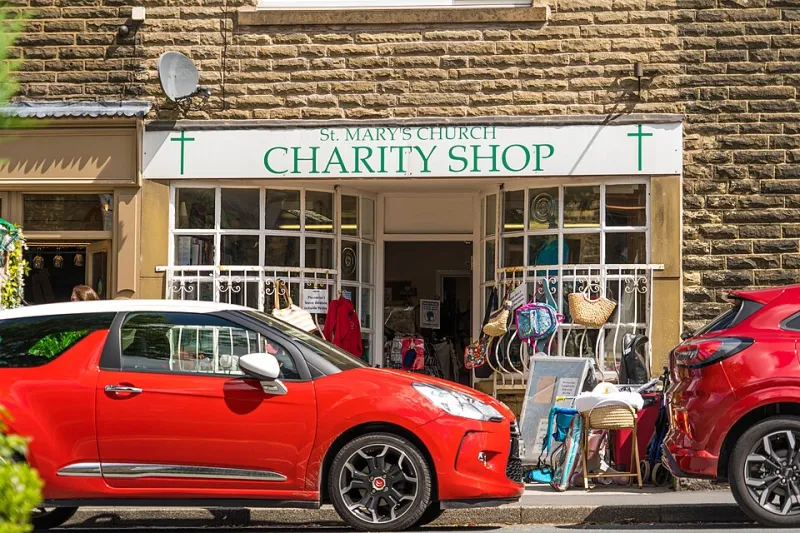
Photo: Claireneon, CC BY-SA 4.0, via Wikimedia Commons
Charity shops are the best kind of toy shop: unpredictable, inexpensive and full of stories. In the UK, a Saturday morning loop of local shops can turn up a wooden puzzle for a couple of pounds, a complete board game, or a doll that just needs a wash and a new dress. But not every bargain is a treasure. Here's how to hunt well, check safely and bring home pre-loved toys that will actually get played with.
Start with a quick scan
Before you fall for a box, look at the whole picture. Is the puzzle complete? Are the game pieces bagged? Does the doll have both shoes, or is one lost under a shelf? Charity shop volunteers are usually happy to let you check, and many shops sell toys as seen, so a quick audit matters. For board games, open the box and count the obvious pieces: dice, counters, playing pieces, instructions. A missing rulebook isn't always a dealbreaker — many are online — but a missing five of twelve counters is.
Then check the toy itself. Look for cracks, sharp edges, loose wheels, wobbly joints and missing battery covers. Squeeze soft toys gently. If a seam is splitting or stuffing is escaping, leave it. And always check the age label. A beautifully made wooden puzzle with tiny pegs might still be unsuitable for a toddler who mouths everything.
Safety checks before you pay
Second-hand toys should meet the same safety standards as new ones. Look for a CE or UKCA mark, and be wary of anything that has been obviously repaired with tape, glue or wire. Avoid toys with accessible button batteries, loose magnets, or small parts that could break off. If you're buying for a baby or toddler, be especially careful: no long cords, no small detachable eyes, no flaking paint.
Give it a sniff, too. A strong smoky or musty smell is hard to shift and can be a sign of damp storage. If a soft toy smells of mould, walk away. You can't always wash that out.
The categories that age well
Some toys survive the charity shop circuit beautifully.
Wooden puzzles and stacking toys. Look for solid wood, smooth edges and intact paint. A quick wipe with a damp cloth usually brings them up a treat. Check that pegs and knobs are firmly fixed, and avoid anything with splinters or chipped corners.
Classic board games. Snap, Ludo, draughts, dominoes and simple card games are brilliant for birthdays and rainy afternoons. Check completeness, and don't be put off by a worn box if the contents are good. A sturdy box can be repaired with a little tape on the inside.
Dolls and figures. Well-made dolls with rooted hair and proper joints can last for decades. Check for loose eyes, cracked limbs and sticky residue. Wash the clothes if the label allows, and give vinyl faces a gentle wipe with soapy water. Avoid bath dolls with water trapped inside.
Vehicles and play sets. Die-cast cars, farm sets and wooden train tracks are often built to last. Check wheels, magnets and coupling points. A missing piece might be fine if the set still works, but don't buy a train set with a cracked chassis.
Books and puzzles. Board books and sturdy picture books wipe clean and survive heavy use. Check pop-ups and flaps for tears, and make sure puzzle pieces aren't delaminating. A little wear is fine; a chewed corner is not.
The small-shop charm
Charity shops aren't showrooms, and that's part of the fun. Stock changes weekly, volunteers often keep donations out back until there's room, and the best finds rarely sit in the window. Get to know your local shops and ask if they have a toy box or a bag of bits behind the counter. Smaller shops may not have space for a full toy section, but a quick chat can uncover a box of wooden blocks or a bag of figures.
It's also a lovely way to shop with children without spending a fortune. Give them a budget — a few pounds — and let them hunt. They learn to check for missing pieces, to choose quality over quantity, and to see that a toy's story doesn't have to start in a shiny box.
Hygiene at home
Before anything goes into the playroom, give it a clean. Hard plastic toys can be washed in warm soapy water, rinsed and dried thoroughly. Wooden toys should be wiped with a damp cloth and dried immediately — don't soak them. Board game pieces and cards can be wiped with a barely damp cloth and left to air. Soft toys are trickier: check the label, wash on a gentle cycle if possible, and dry completely in a warm place. If a soft toy can't be washed, surface clean it and be honest about whether it's really suitable for a child who cuddles it.
What to leave on the shelf
Walk away from toys with cracked plastic, exposed wires, missing battery covers, rusty metal parts or strong smells. Avoid anything that has been recalled — if a toy looks very old or unusual, a quick search online is worth it. And trust your gut: if it feels flimsy, sharp or just a bit grim, it probably is. There will be another treasure next week.
Pre-loved gifts with a story
A clean, complete second-hand toy can make a thoughtful birthday present, especially when paired with a new book or a hand-drawn card. It's budget-friendly, keeps good toys out of landfill and gives a child something with a bit of history. At Jensen's Toys & Gifts, we love the charm of a well-made toy that has already proved it can survive real play. Just check it thoroughly, clean it well, and wrap it with the same care you'd give anything new.
The best charity-shop toy hunt isn't about grabbing everything. It's about spotting the sturdy, the complete and the loved. Take your time, check the bits, and bring home the ones that are ready for their next chapter.