The Slow Browse: Turning a Toy-Shop Saturday Into the Whole Morning Out
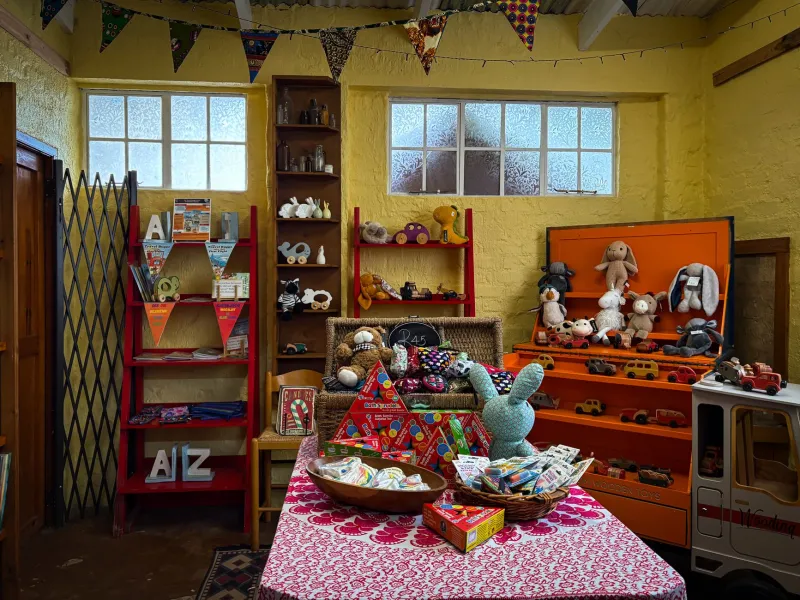
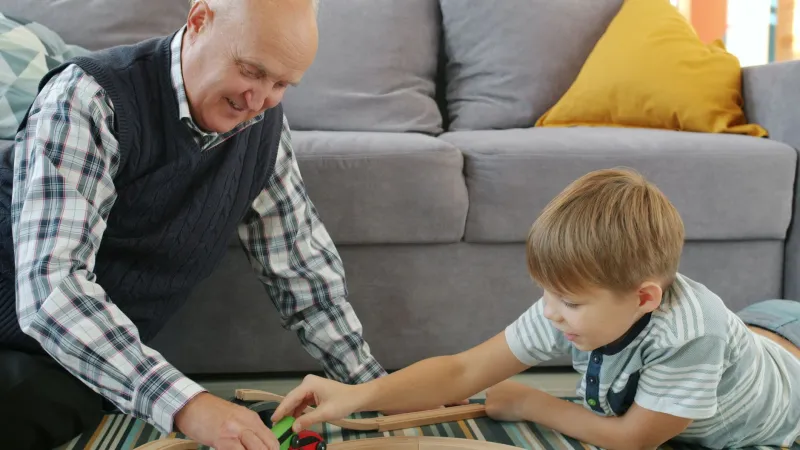
There's a certain kind of Saturday morning that feels like it belongs in a storybook. The high street is still waking up, the café is doing a steady trade in bacon baps, and the independent toy shop has just flipped its sign to open. A bell goes as you push the door. Somewhere near the back, a wooden train set is quietly waiting to be tested.
Most of us treat that shop as a pit stop — in, grab a birthday present, out, on to the next errand. But what if the browse itself was the plan? Not a raid on the shelves, but a proper slow look. It's a small shift, and it changes everything: less clutter comes home, the gifts are better chosen, and the morning actually feels like a morning out.
Plan a Short Route, Not a Marathon
A successful toy-shop Saturday is not about covering every shop in town. Pick two or three independent shops within a comfortable walk, ideally with a café or a park bench roughly halfway. If you're driving into a market town, park once and do the loop on foot — it's kinder on everyone's patience and your parking app.
The route matters more than the number of shops. A gentle circuit gives children time to settle into browsing rather than being dragged from doorway to doorway. It also means you can double back if something really does need a second look, without feeling like you've just walked the length of the county.
Bring a Notebook (Yes, Really)
Hand a child a small notebook and a pencil before you go in, and something quietly brilliant happens. Instead of the usual chorus of can I have this, the question becomes can I write this down? They sketch the dinosaur, copy the price tag, or dictate a description for you to scribble in the margin.
Nothing in the notebook is a promise. It's a record — a wish list that can be revisited at home, shared with grandparents, or saved for a birthday. More often than not, half the things in it lose their shine by teatime, which is exactly the point. The notebook does the wanting so your shopping bag doesn't have to.
Set a Small 'One Little Thing' Budget
Before you leave the house, agree on a modest amount — a fiver, perhaps, or a tenner if it's a treat day. The rule is simple: one little thing, chosen by the child, within that budget. It might be a pocket-money puzzle, a sheet of stickers or a single marble in a paper bag.
This tiny constraint is surprisingly powerful. It turns the trip into a decision-making exercise rather than a test of your willpower. Children learn to weigh up two options, put one back, and feel properly pleased with the one that comes home. And you avoid the dreaded bag of bits that loses its appeal before the car is even started.
Ask the Person Behind the Counter
Here's the thing about independent toy shops: the person at the till usually knows the stock inside out. They can tell you which building set survives a rough-and-tumble six-year-old, which craft kit is more glitter than substance, and which puzzle has quietly become the shop's best-kept secret for rainy days.
Ask them. Genuinely. What do you end up recommending for a child who's just turned five? What lasts? What's a gimmick? You'll often get a demonstration too — a quick spin of a top, a wobble of a balancing toy. That sort of hands-on expertise is the whole reason to shop small, and it's worth more than a hundred online reviews.
Watch What Holds Attention
While you're in the shop, resist the urge to steer. Find the play table, or the patch of floor where a demo toy lives, and simply watch. Does your child spend thirty seconds with the flashing gadget and ten minutes with the wooden castle? Does the magnetic building set get abandoned, while the little metal cars are lined up with intense concentration?
Note it down. This is live market research, and it's free. A toy that holds attention in a shop is a far safer bet for a birthday present than one that merely looks exciting on a screen. Shopkeepers see this all day long, which is why their recommendations so often land better than ours.
The Walk-Home Test
Before you commit to anything bigger than the one little thing, take a lap of the block. If the toy has been forgotten by the time you reach the corner, it was a browse, not a buy. If it's still being talked about — still being planned for, still being named — then it's a keeper. This single habit has saved more families from clutter than any storage system ever invented.
Small Shops, Smaller Bags
The point of a slow Saturday isn't to spend less for the sake of it. It's to choose better. An hour spent browsing with a notebook and a modest budget often produces one genuinely loved thing, rather than a handful of forgotten ones. The shopkeeper gets a proper conversation, the high street gets a bit of life, and you get a morning that feels like an outing rather than an errand.
So next Saturday, leave the list at home. Bring the notebook instead. Find a parking space, order the bacon bap, and let the toy shop be the destination. The bell above the door will do the rest.